Smoking can have significant consequences on oral health, particularly when it comes to procedures such as dental implants. In this article, we will look at the effects of smoking on dental implant outcomes and important considerations to keep in mind.
Effects of smoking on dental implants
Reduced Osseous Healing: Smoking can hinder the bone healing process, making it more difficult for the correct insertion and integration of dental implants into the maxillary or mandibular bone.
Increased risk of infection: Smoking can compromise the immune system, increasing the risk of infection after dental surgery. Infections can delay healing and negatively impact the long-term success of implants.
Higher risk of implant loss: Smokers are statistically more likely to lose dental implants than non-smokers. This may be due to a combination of factors, including impaired bone healing and an increased risk of periodontal disease.

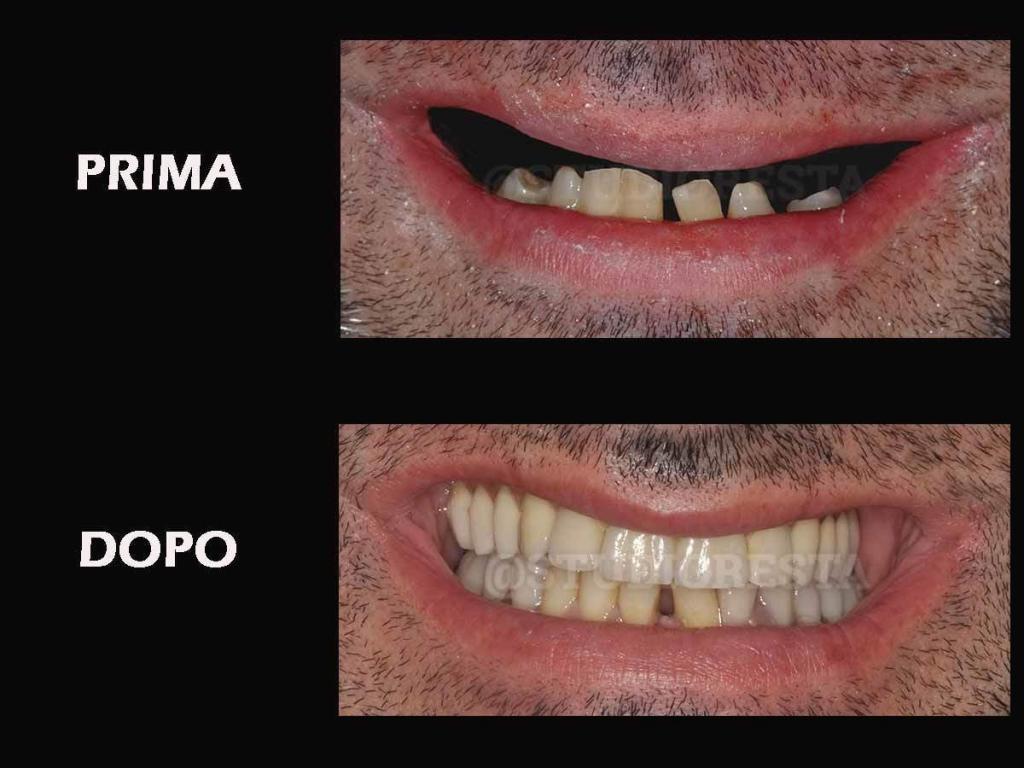
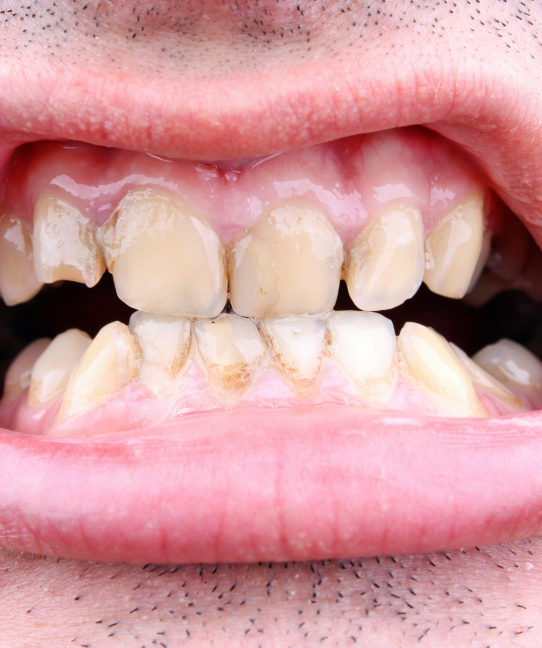
Considerations for Smokers
- Stop smoking
The most important decision a smoker can make before undergoing dental implant surgery is to stop smoking. Although it can be a challenge, quitting smoking before surgery and maintaining a smoke-free lifestyle afterward can greatly improve implant results and reduce the risk of complications.
- Consult an Experienced Dentist It is essential to consult an experienced dentist before undertaking any dental implant surgery. The dentist will evaluate the patient’s overall oral health, including gum and bone health, and provide personalized recommendations based on individual needs.
- Treatment Planning In some cases, it may be advisable to plan dental implant treatment to allow the patient to stop smoking before surgery. This may require time and a well-defined strategy, but can have significant benefits on the success of the implants and the patient’s long-term oral health.
Smoking can have significant effects on oral health and the success of dental implant procedures. Quitting smoking or reducing consumption can improve the risk of complications.